Relevant videos
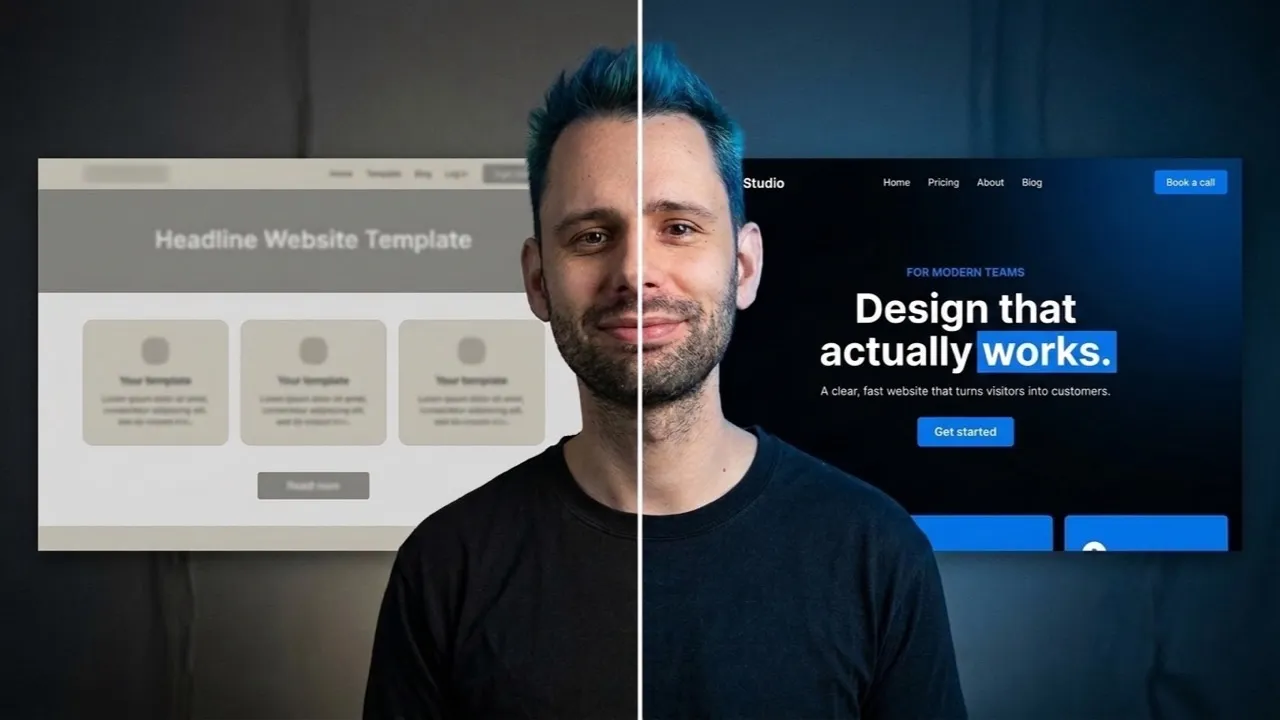
Taste Skill Tested: Can It De-Slop an AI-Built Website?
The skill audited and rebuilt the site I made with Claude. The audit was the more useful half, and it missed three spots.
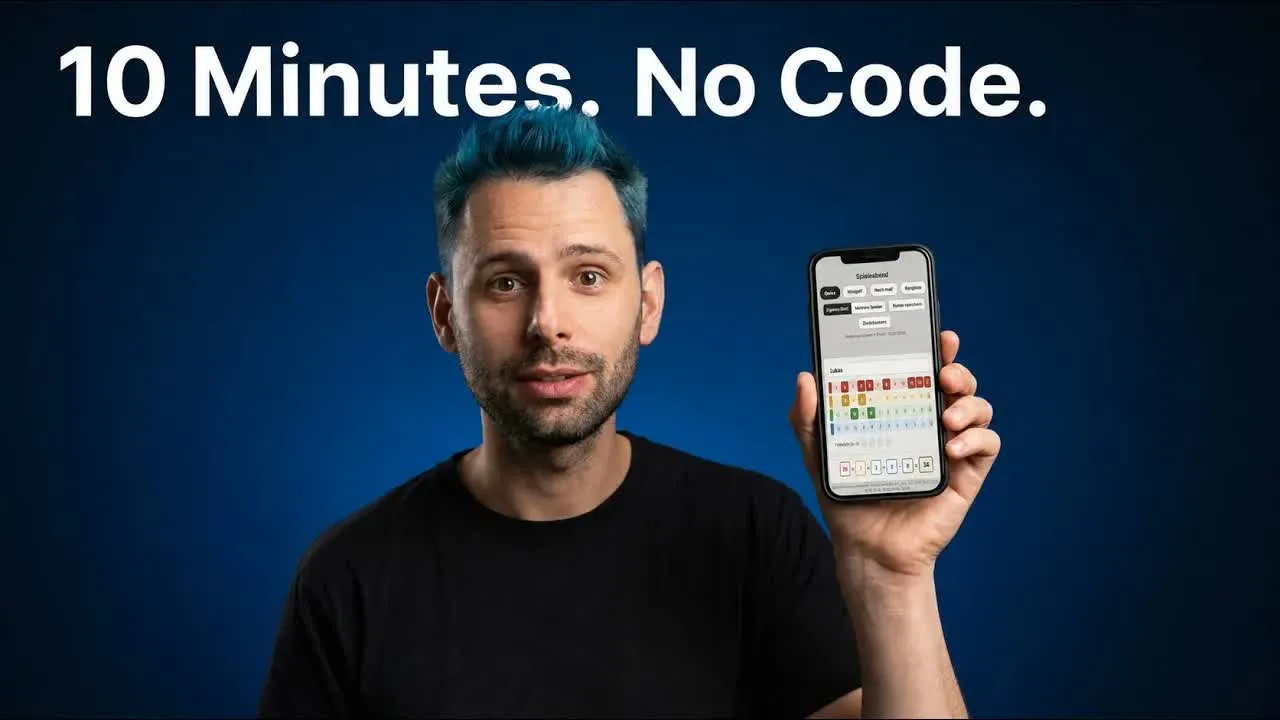
You Don't Need a Developer for This: A Small HTML App Built With AI
A missing vacation score sheet becomes a bigger lesson: small, oddly specific tools can now be built when you need them.
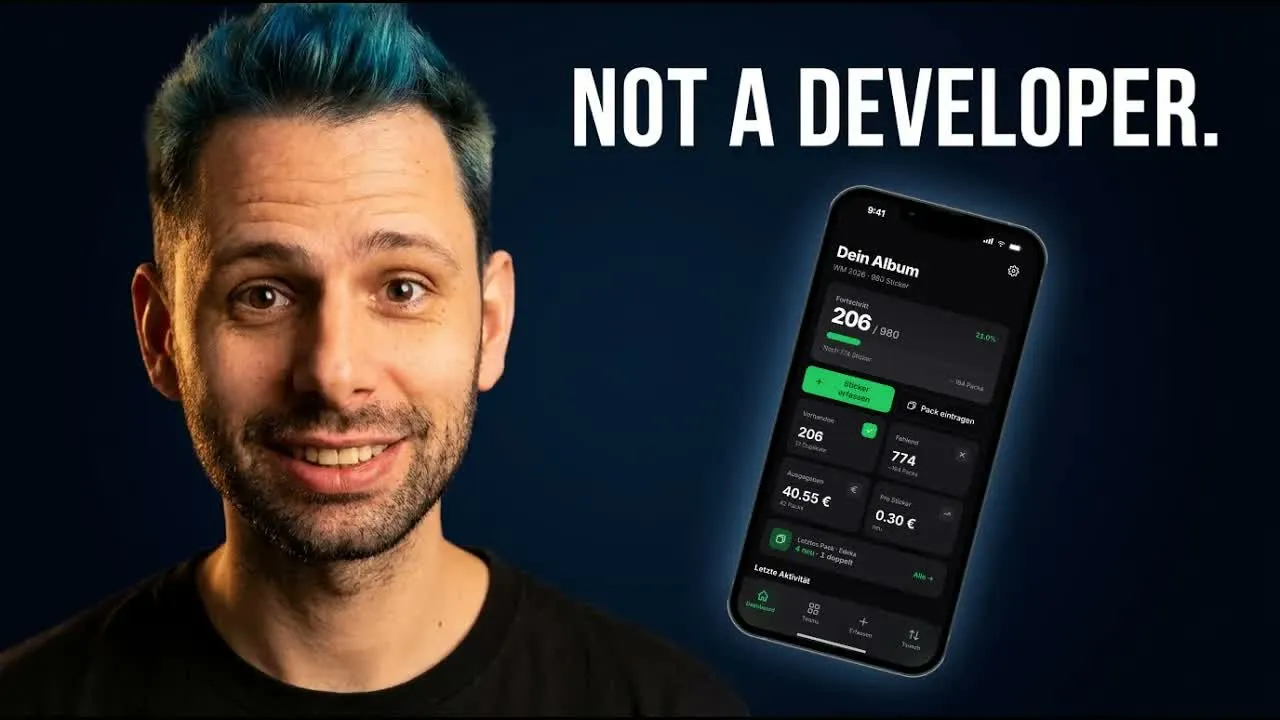
I Built StickerLog With AI: A Real App in a Few Hours
A Panini album, 980 stickers and a problem no generic app solved well. This video shows the workflow behind StickerLog: plan, review, design, build.

Replacing Wix With an AI-Built Website in 2 Days
This video shows the move from a blocked Wix workflow to a local static website with 214 HTML pages, GitHub and Netlify.
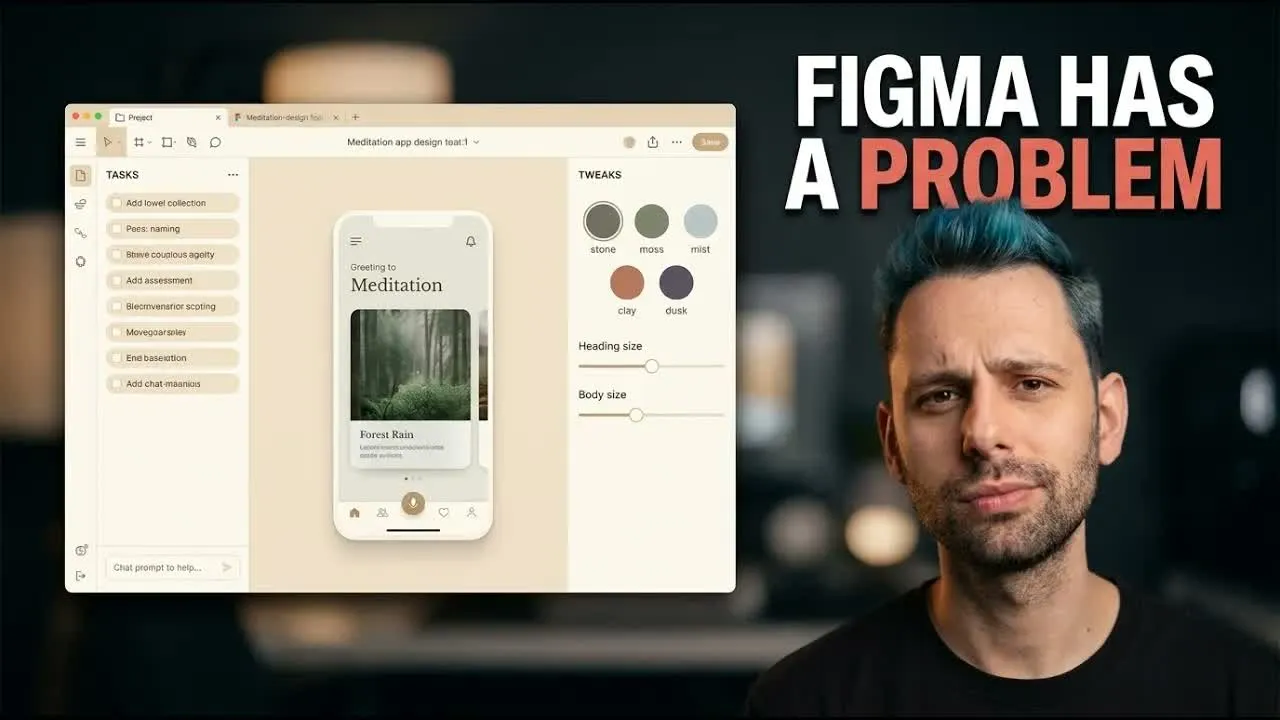
Claude Design Explained: What Anthropic's Design Tool Changes
Claude Design is not just another model update. It changes where design work starts and who can create first visual drafts.

Claude Code vs Codex: A Real Debugging Battle
Part four of the Voicebox series did not go to plan. That is exactly why it is useful: two AI agents debug a real local setup.